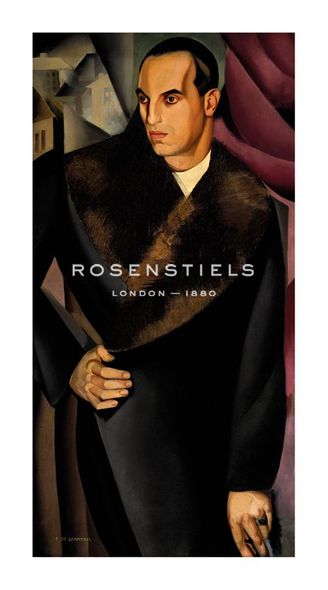

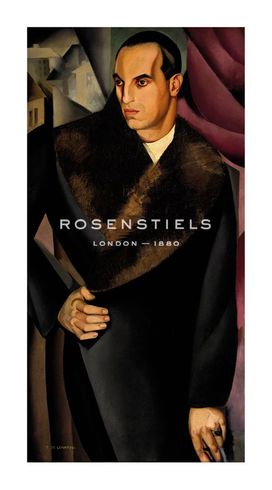


Tamara de Lempicka Hand Numbered Limited Edition Print on Paper:"Portrait de Guido Sommi"
Title: Portrait de Guido Sommi
Dimensions (W x H ): Paper Size: 2 x 36 in | Image Size: 16 x 32 in
Edition | Medium: Edition 100. The print is hand numbered and accompanied by a certificate signed by Tamara de Lempicka's granddaughter and bearing the Lempicka Estate stamp. | Paper
About the Art: Limited Edition
About the Artist:
Tamara Gurwik-Gorka was born in Warsaw or possibly in Moscow (accounts vary). Her father was a Jewish merchant and her mother the daughter of Polish bankers. Her parents divorced and she married a Polish lawyer, Tadeusz Lempicki. She lived in post-war Parisian exile and her husband`s indolence and the birth of her daughter made her decide to make a living as an artist. She trained with the fashionable Andre Lhote and soon made her Art Deco reputation with erotic nudes and portraits of the high-society in which she moved. Famous for her libido, her affairs with both men and women were carried-out in ways that were scandalous at the time. Her husband eventually tired of their arrangement and they were divorced in 1931. A rich second husband and the renewed war exiled her to the US and Mexico. Tamara de Lempicka died in her sleep in 1980 in Mexico. Her wish to be cremated and have her ashes spread on top of the Popocatepetl Volcano was carried-out.
Of the many lovers taken by Tamara de Lempicka throughout her long and racy life, the wildly handsome Marquis Guido di Giralamo Sommi Picenardi stands as one of her few male companions to be immortalised in a portrait. He was a descendent of Italian nobility and an avant-garde musician. He was the subject of numerous paintings by the infatuated artist. In this image he is sporting a wide lapelled coat and a fur collar conveyed through thick impasto paint. He is every bit the emblem of masculine fashion and by depicting him in the Cubist influenced style of the 'Roaring Twenties' Lempicka decorates her subject with the trappings of wealth which was characteristic of the socialites and aristocrats in her work. While Lempicka would take numerous lovers throughout her life, the Italian clearly held a particular importance.